Chain link fencing is a practical and dependable option for securing residential, commercial, and industrial properties. It provides clear boundaries, reliable containment, and long-term value without requiring the maintenance of many other fencing materials. JG Fence Company installs custom chain-link fencing throughout Savannah, Pooler, Richmond Hill, Guyton, and Rincon.
Chain-link fencing is one of the most versatile fencing options available and can be ideal for almost any property boundary in the 912! From commercial lots in Pt. Wentworth to homes in Old Pooler, chain-link fencing offers security, durability, and affordability (even if they rhyme, it is still true).
Chain link fencing can be used around:
Chain-link fence height, wire gauge, mesh size, coating, posts, gates, and security features can all be selected based on the intended use of the property.
A residential backyard may use a lighter system, while a commercial or industrial property may require taller fencing, stronger framework, heavier wire, reinforced gates, and additional security features.
JG Fence Company helps customers choose the right balance of:
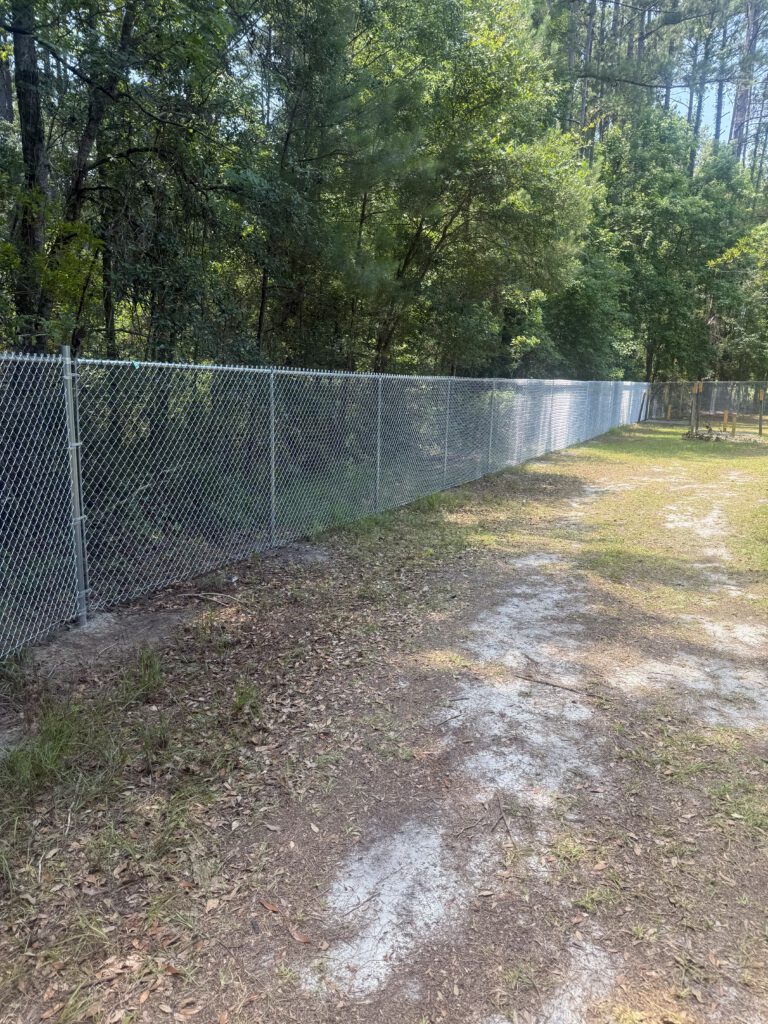
Secure larger areas without the cost of many solid or decorative fencing systems.
Chain-link fencing is designed for reliable everyday use in residential and commercial settings.
Maintain sightlines through the fence while still controlling access to the property.
Requires minimal routine maintenance compared with many other fencing materials.
JG Fence Company installs both galvanized and vinyl-coated chain-link systems, each with different strengths for different applications.
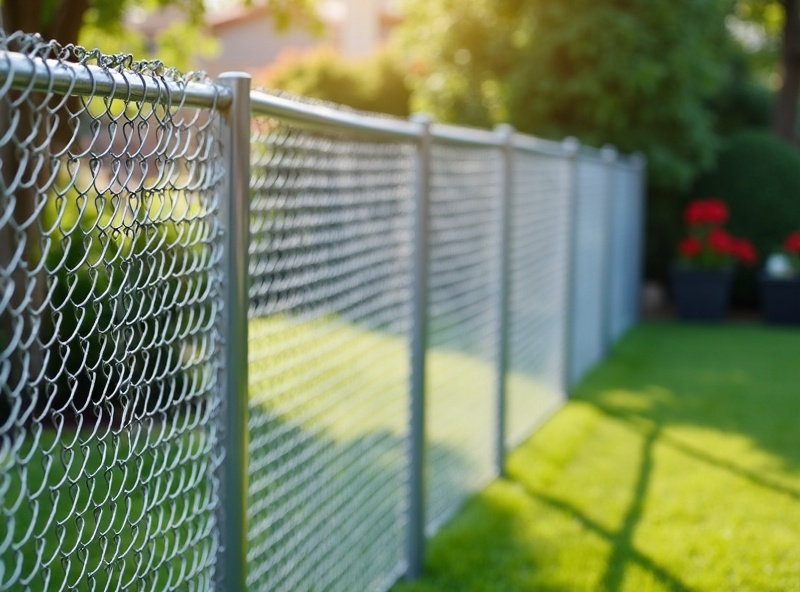
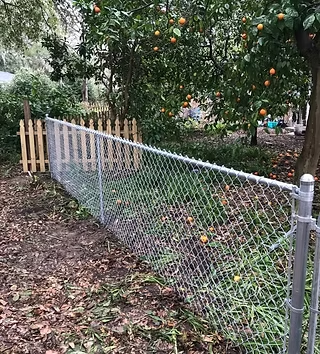
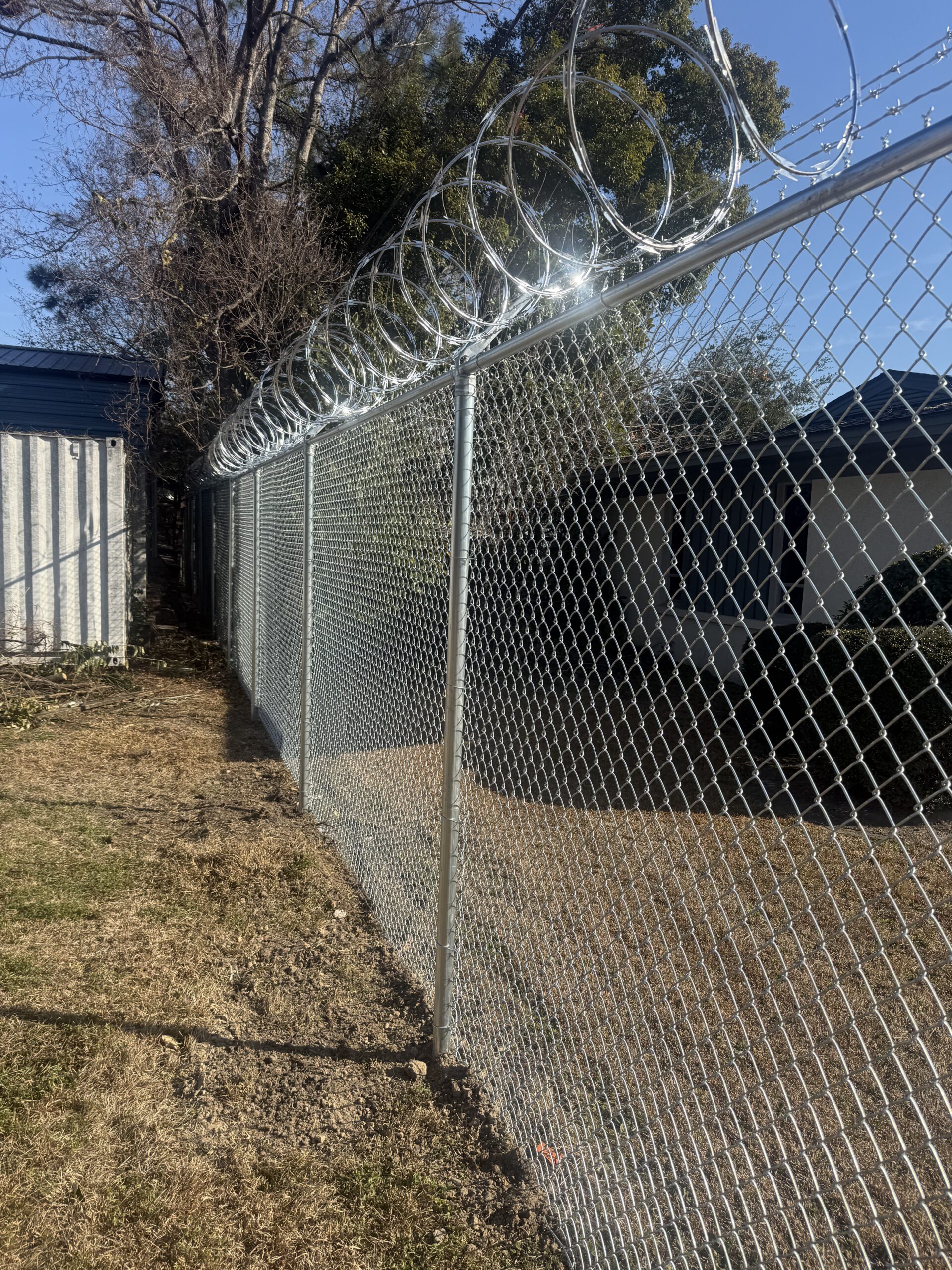
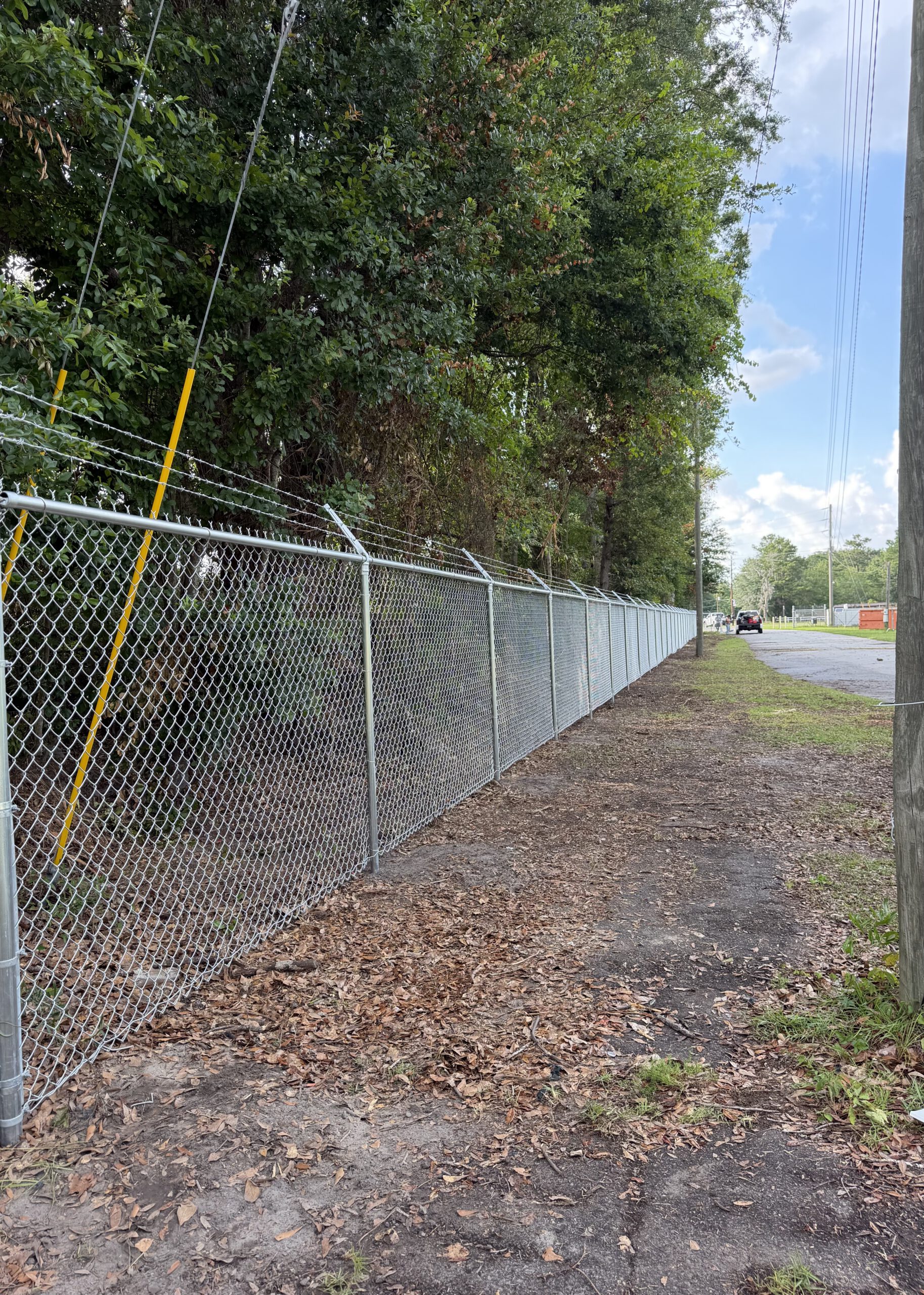
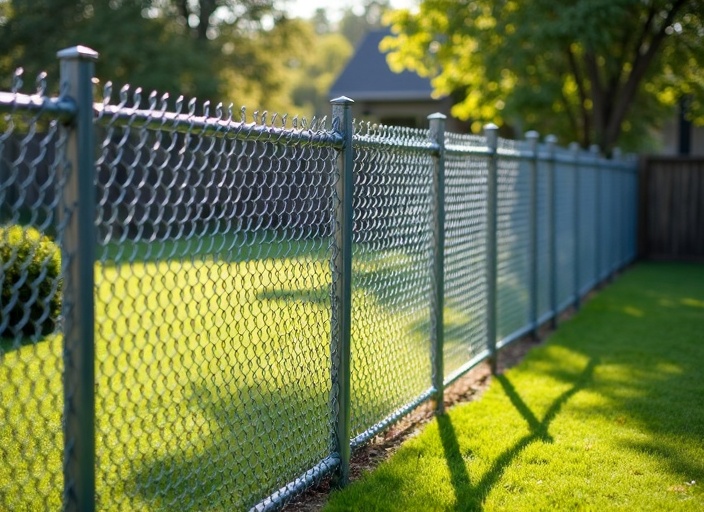
Traditional galvanized chain link uses silver-colored steel wire and framework coated with zinc to help protect against corrosion.
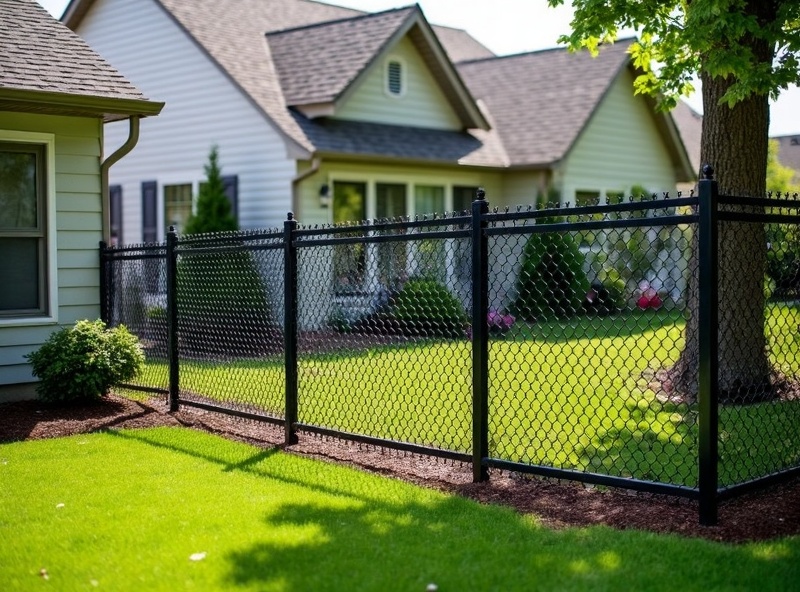
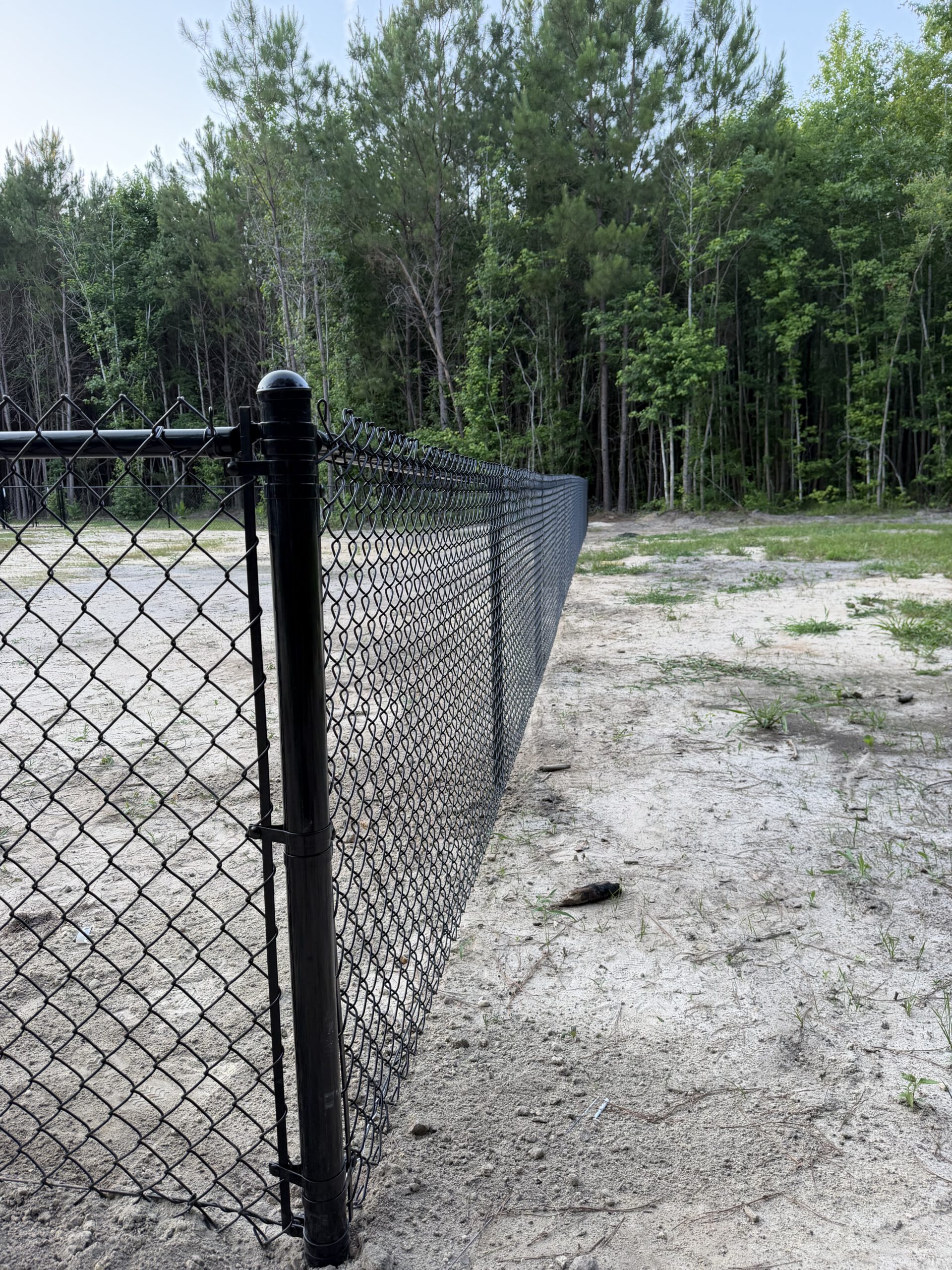
Black vinyl-coated chain link combines steel strength with a darker, more refined appearance. The black coating allows the fence to visually blend into landscaping more easily than standard galvanized fencing.
Whether it is a farm, industrial lot, or a home, chain-link fencing can be used to define property lines, enclose a backyard, create a pet area, protect a garden, secure a side yard, enclose larger lots, or separate areas of a property – all for an affordable budget!
It provides secure containment while maintaining visibility through the fence. This can be especially useful for families with pets, larger properties, rental homes, side yards, gardens, and properties where full privacy is not required.
Customers in Savannah and Pooler can choose between two finishes for chain link fencing:
Traditional silver-colored steel fencing with zinc coating for corrosion protection.
Steel core with black coating for a refined look that blends into landscaping.
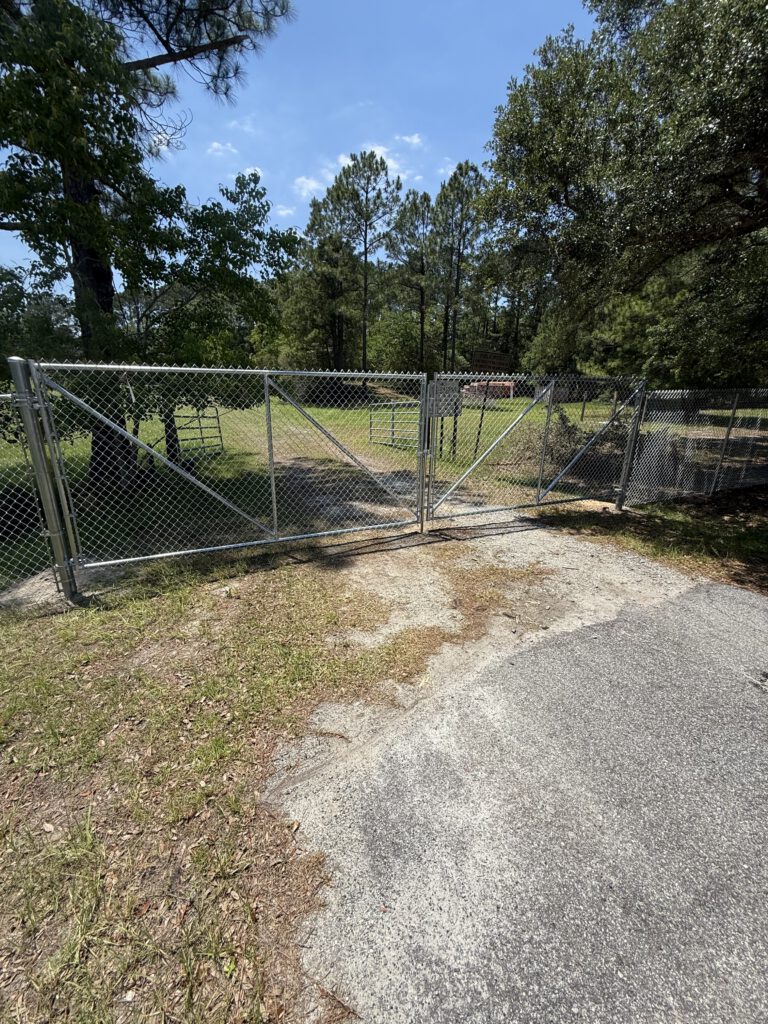
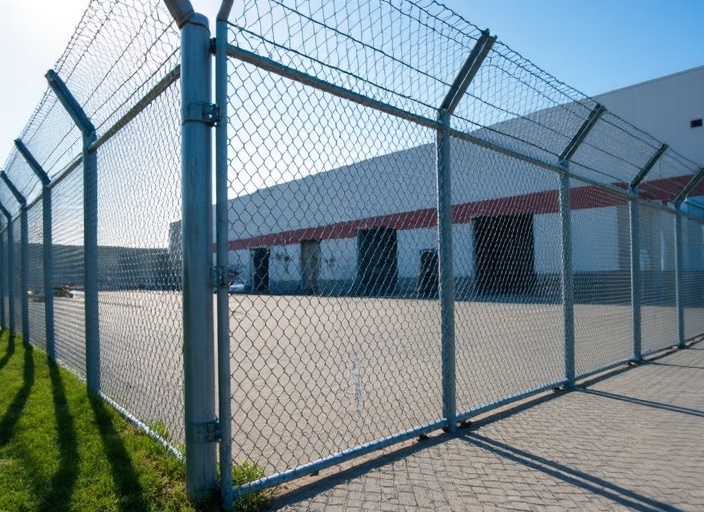
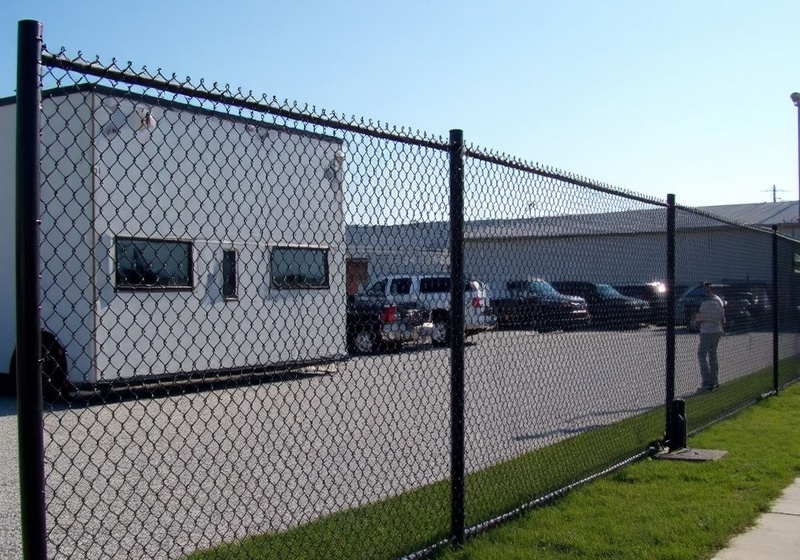
Commercial chain-link fencing is designed for properties that require stronger security and controlled access. With so many industrial lots and commercial properties in and around Savannah, Pt. Wentworth, and Garden City – it is vital to have chain-link fencing solutions that are durable and affordable.
Commercial systems may include heavier wire, larger posts, taller fence heights, stronger framework, reinforced gates, and additional security features.
Common applications include:
Privacy slats can be inserted into the chain-link mesh to reduce visibility through the fence. Slats may be available in several colors and can provide partial privacy while retaining the chain-link structure.
Useful applications of slats for chain-link fencing include backyards, equipment areas, dumpsters, commercial yards, utility areas, and storage areas. In Savannah and Pooler, pricing depends on fence height, slat style, color, project size, and whether slats are added to an existing fence.
Important Note about Chain-link Fence Privacy Slats:
Privacy slats increase wind resistance. The posts and framework must be designed to support the additional pressure, which is vital for Savannah and its storms/weather.
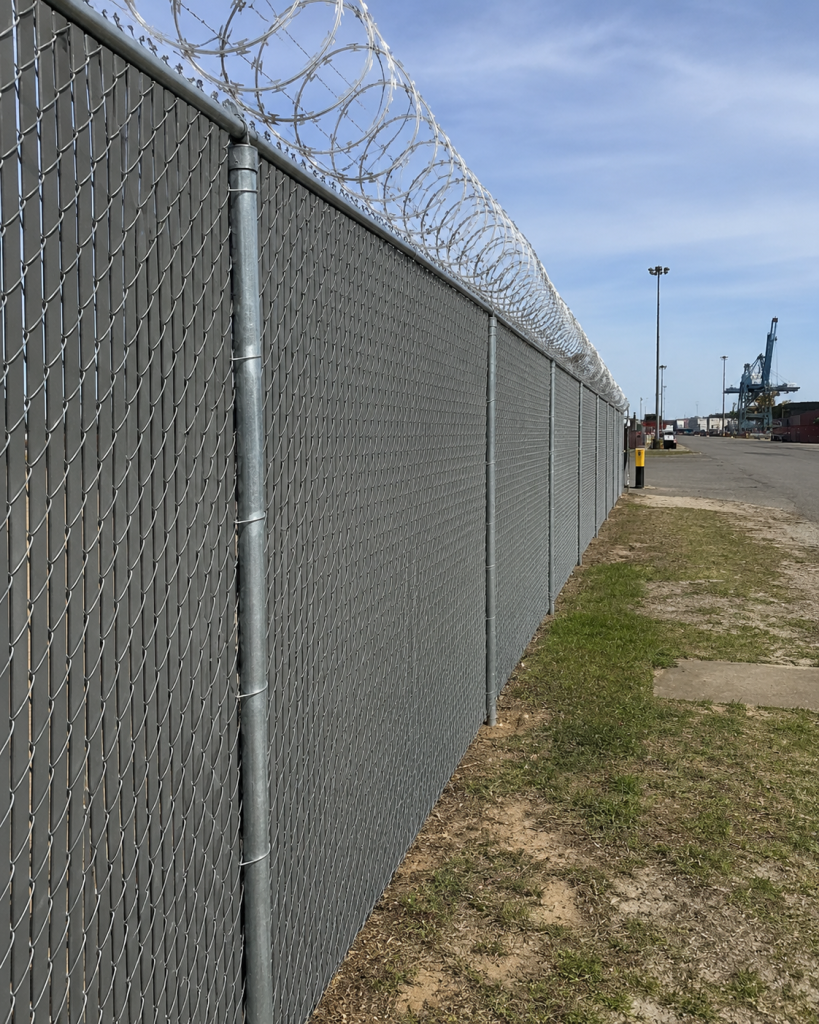
Security chain-link systems may use taller fence panels, heavier-gauge wire, smaller mesh openings, bottom rails, tension wire, and reinforced posts for applications such as data centers, industrial shipping centers in Savannah, and more.
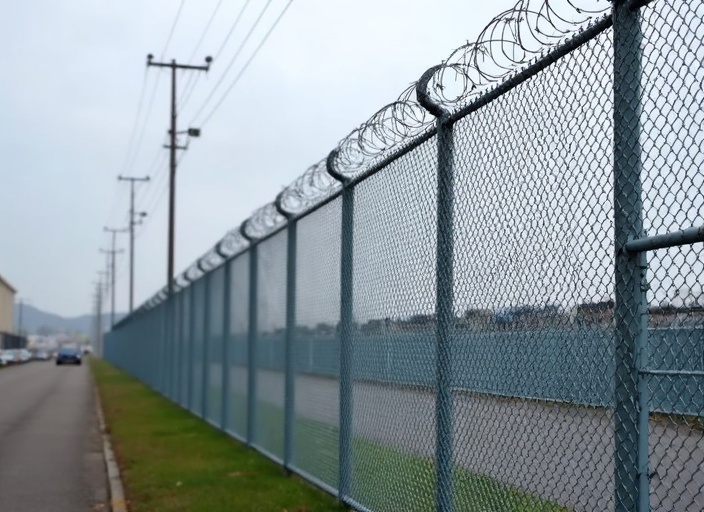
Unlike wood or vinyl fences, chain link fences are stronger and built for security. Depending on the property and applicable requirements, additional security options may include barbed wire, privacy screening, anti-climb mesh, security gates, interior partitions, and controlled access points.
These systems are commonly used around industrial facilities, commercial sites, restricted-access areas, equipment yards, and storage areas.
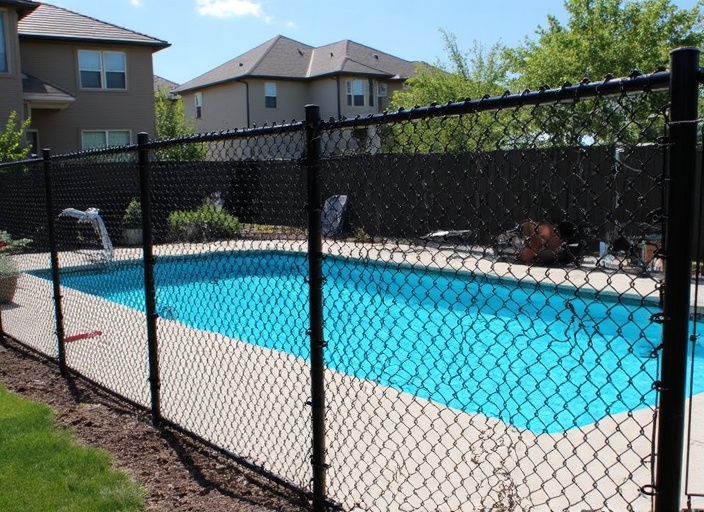
Chain-link fencing may be used around swimming pools when the fence design, height, spacing, gates, and latches meet applicable safety requirements. Most homeowners’ insurance policies require fencing, and chain-link fencing is often more affordable compared to aluminum if you are on a budget.
Black vinyl-coated chain link is often selected for pool areas because it offers a more finished appearance than standard galvanized fencing.
Pool gates may require self-closing hardware, self-latching hardware, specific gate direction, proper height, and required spacing.
Property owners should confirm municipal, county, HOA, and insurance requirements before installation.
Temporary chain-link panels can be used to secure construction sites, renovation areas, events, equipment, and restricted work zones. These systems create a visible boundary without permanently installing posts.


Availability and setup requirements depend on the size and duration of the project.
Chain link is a practical choice when function, security, and budget are the leading priorities – which happens to be the case for most of the industrial and commercial locations in and around Savannah, GA. With one of the largest ports in the country, fencing is of the utmost importance for protection and security!
Heat, humidity, heavy rain, and salt air can affect exposed metal over time. Quality galvanized and vinyl-coated materials help protect steel fencing from corrosion and weather-related damage.
Proper installation is equally important. The fence layout should consider correct post depth, terminal-post support, properly stretched fencing fabric, drainage, soil conditions, tree roots, elevation changes, and areas that remain wet after storms.
For properties in Pooler and Richmond Hill, chain link can provide practical containment around larger backyards, commercial sites, and storage areas without blocking visibility.
A residential chain-link fence can provide a secure area for children, pets, gardens, outdoor activities, backyards, side yards, rental properties, and larger lots.
Homeowners can choose between galvanized and coated finishes. Fence height and mesh spacing should be selected based on how the enclosed area will be used.
Before installation begins, homeowners should review:

Commercial chain-link projects require careful planning around security, traffic flow, gates, equipment access, and daily operations.
A commercial layout may include pedestrian gates, wide vehicle entrances, interior fenced areas, secured equipment zones, service access, and emergency access.
Properties in Guyton and Rincon may also require fencing around industrial lots, warehouses, rural commercial sites, and equipment storage areas.
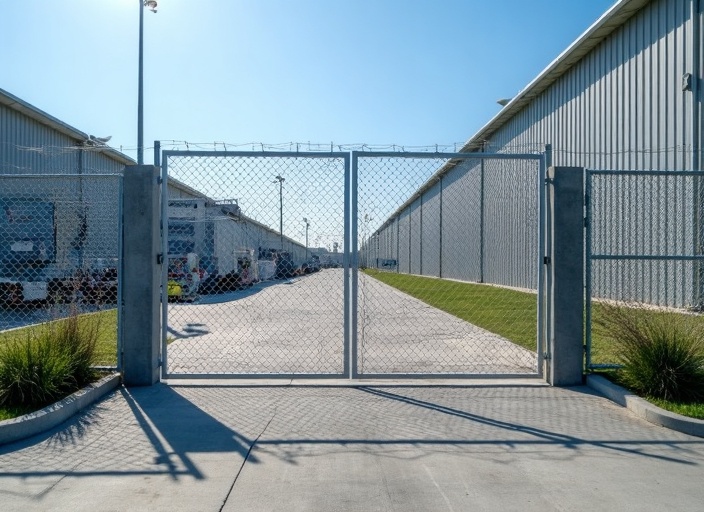
Gate openings should be planned around pedestrians, lawn equipment, trailers, commercial vehicles, deliveries, and emergency access.
For pedestrian access around the property.
Useful for wider entrances requiring two panels.
Designed for vehicle access to residential or commercial properties.
Useful where a swinging gate would require too much space.
Suitable for larger commercial openings and controlled access points.
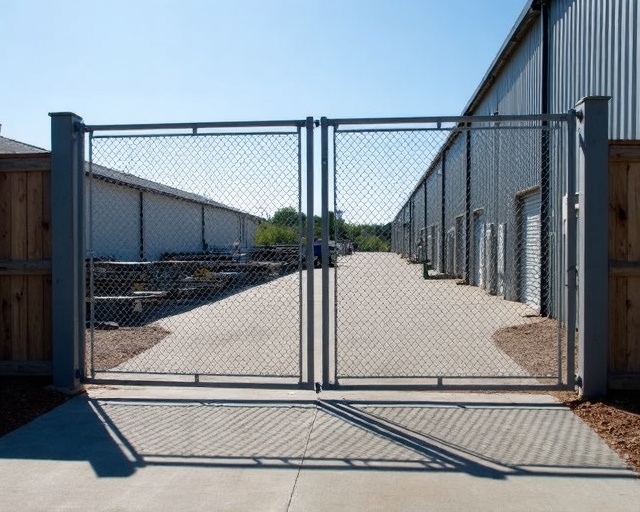
Larger gates may require stronger posts, additional bracing, or specialized hardware to handle the weight, movement, and frequency of use over time.
Chain-link fences are durable, but they can still be damaged by falling trees, vehicles, severe weather, animals, lawn equipment, and shifting soil. In Savannah, Pooler, and throughout Chatham County, heavy rain, coastal storms, falling limbs, and saturated ground can loosen posts, bend rails, or damage chain-link fabric. JG Fence Company provides chain-link fence repairs ranging from replacing damaged mesh and hardware to resetting posts, repairing gates, and restoring larger sections of residential and commercial fencing.
In many cases, individual parts can be repaired or replaced without rebuilding the entire fence.
At JG Fence Company, customer care is not an afterthought—it is part of every project.

We listen to your needs, goals, property concerns, and preferred fence style.

We evaluate the fence line, access points, ground conditions, gates, and existing fencing.
We explain the materials and layouts that fit your property, goals, and budget.
Our team completes the work carefully and keeps you informed throughout the project.
We review the completed fence, confirm everything works properly, and leave the work area clean.
From the initial estimate through the final walkthrough, our goal is to make the fencing process clear and straightforward. Customers should receive honest recommendations, fair pricing, dependable communication, and workmanship they can confidently recommend to others, which is why JG Fence is your best solution for commercial fencing and fencing information!
Pool fences, traditional picket designs, decorative installations, gates, and more — installed across Savannah and the Lowcountry.
JG Fence Company installs chain-link fencing throughout:
In Savannah, professionally installed chain-link fencing typically costs about $10–$20 per linear foot for a standard residential galvanized fence. Pricing can increase for taller fencing, heavier-gauge wire, black vinyl coating, privacy slats, security features, gates, or commercial-grade materials. For an exact price, JG Fence Company can provide a quote based on your property and fence specifications.
A properly installed chain-link fence can last for many years. Its lifespan depends on material quality, protective coating, soil conditions, weather exposure, and whether damaged areas are repaired promptly.
Black vinyl-coated chain link generally costs more than standard galvanized fencing because of the additional coating and finished appearance. The total project price also depends on fence height, wire gauge, gates, and property size.
Yes. Privacy slats or screening can often be added to an existing chain-link fence. The fence should first be evaluated to make sure the posts and framework are strong enough to handle the additional wind resistance.
The appropriate height depends on the dog size, breed, and behavior. Four-foot fencing may work for some smaller dogs, while larger or more active dogs may require five-foot or six-foot fencing. Smaller mesh openings may also help with smaller pets.
Yes. Damaged fencing fabric, rails, posts, gates, and hardware can often be repaired or replaced without removing the entire fence. The best solution depends on the age of the fence and extent of the damage.